SJCFPD #5
Shaw Island Fire & EMS
San Juan County Fire Protection District #5
Shaw Island Fire & EMS
2026 - 2027 Burn Permits

The open burning season for 2026 -2027 is scheduled to open on October 12th, 2026.
For this season, burn permits are now being directly managed by the individual San Juan County Fire Districts.
To do this the districts have created a new more streamlined and user friendly system. Shaw Island (San Juan Country Fire Protection District #5) has signed up to be part of this new system.
Below you will find information on the new process as well as links to complete an application. Starting in 2026, please use this process, not the older SJC website.
Any Additional inquires:
FireChief@shawfire5.org
(360) 317-6755

What is a Commercial Burn
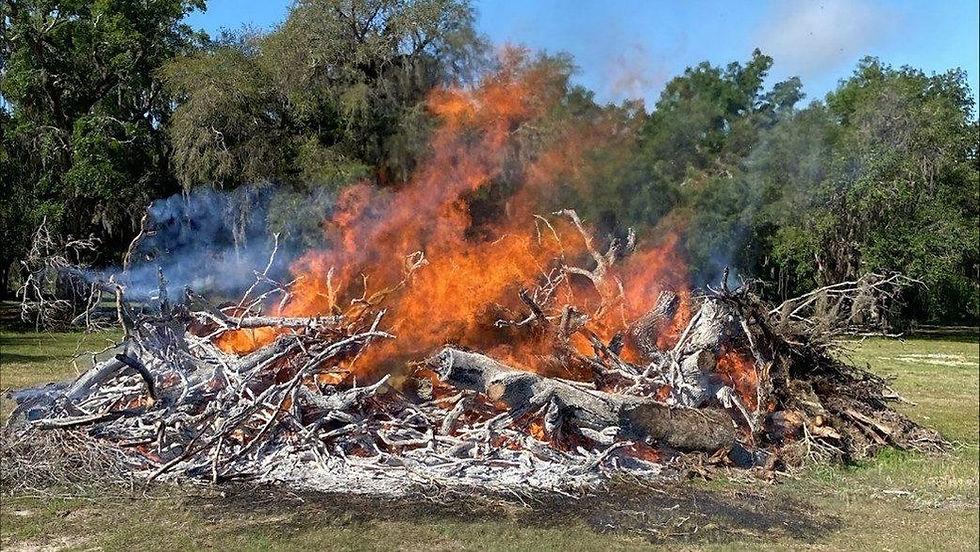
Burning yard debris and vegetation in piles greater than 10 feet in diameter require a commercial burn permit. Commercial burns are typically conducted by contractors to reduce the amount of waste created by large land clearing operations or while developing sites in San Juan County.
Commercial burn permits cost $300 A water supply and heavy equipment such as an excavator are required on site, and a site inspection must be conducted by a the Shaw Island Fire Chief or his representative prior to issuing the permit. The Chief or his representative will determine the allowable size of the burn based on weather, terrain, materials and other factors. Permits are valid for 30 days from the date of issue, and no commercial burning is allowed after May 31st.
What is a Residential Burn
Burning brush and yard debris in piles less than 10 feet in diameter require a residential burn permit. Residential burning permits are designed to allow homeowners or caretakers of property to reduce the fuel load of a property or to dispose of cleared trees and vegetation by burning. Other permits may be required for land clearing and tree cutting/thinning purposes.
Residential fires are not allowed after May 31st. A new burn permit must be obtained each burn season, which begins in October if/when conditions and weather are favorable.
What about Campfires
Recreational fires or "campfires" burn clean, dry firewood (not yard waste) in a fire ring or bowl that is no more than three feet in diameter.
Approved camp fires also must have a two-foot cleared earth perimeter around them. Camp fires are allowed year-round, except when a county burn ban is in effect, and require no permit.
Note: county burning rules may conflict with state or private campground rules at certain times of year, if you are visiting San Juan County, please confirm the burning status that is in place at the location you are staying. Always remember that recreational fires must be fueled by clean, dry, natural wood. Refuse, plastic, painted wood, etc. cannot be burned, and burning of garbage is subject to fines. Burn barrels are not allowed at any time due to a prohibition by the State Department of Ecology.
Your Responsibilities
When you burn, you're responsible for:
-
Knowing and following all permit conditions
-
Checking the current burn status before you light
-
Having proper suppression equipment on-site
-
Controlling the fire until it's completely out
If your fire escapes, you may be liable for suppression costs — regardless of whether you're the permit holder or property owner. The person attending the burn is responsible.
Why the process Change
Washington State Law (R.C.W. 52.12) grants fire districts the authority to manage and issue permits for open burning within their jurisdictions. The SJC districts had been operating under an interlocal agreement (ILA) with San Juan County to have the county issue permits in District 5 under the office of the county fire marshal. This agreement has lapsed, the districts were encountering administrative issues with the Country System, and as a result the individual districts have identified a more effieince way to operate the process. Please note, there is no change in costs to residents. This is strictly a process change.
How These Fees Are Used
Program Administration: Processing applications and payments, issuing permits, and maintaining digital or paper record databases.
Site Inspections: Covering staff time for local fire officials, departments, or district representatives to travel and evaluate commercial or large burn sites.
Safety and Enforcement: Supporting education on wildfire prevention, monitoring local fire conditions, and enforcing safe burning pile sizing and seasonal restrictions.
Partial Cost-Recovery: Offsetting the operational expenses incurred by the fire protection district to manage open-burning programs.